Introduction
The global cryptocurrency market in April 2026 is experiencing a period of uncertainty marked by declining prices of major digital assets such as Bitcoin Ethereum and XRP. After a strong rally earlier in the month the market has entered a consolidation phase influenced by macroeconomic pressures changing investor sentiment and global financial conditions. This phase reflects a natural pause rather than a complete reversal of the broader upward trend that has defined much of the crypto market in recent times.
Recent Price Movements In The Crypto Market
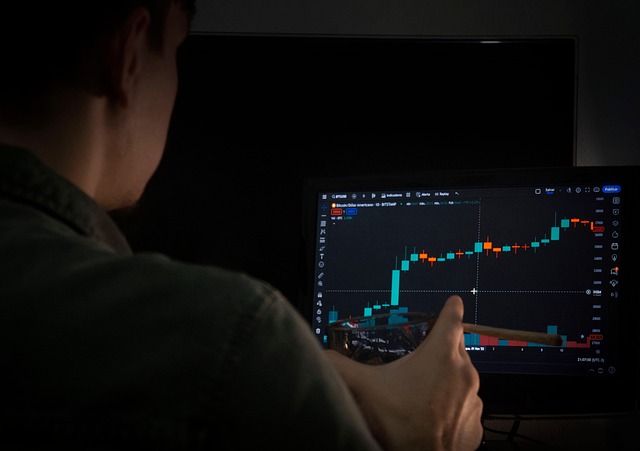
Bitcoin, the largest cryptocurrency by market capitalization, has recently traded near the seventy six thousand dollar level after experiencing a slight pullback. Ethereum has also seen a modest decline while XRP has followed a similar trend. These movements indicate a broader cooling across the crypto market as investors take profits and reassess their positions.
The inability of Bitcoin to break through the psychological resistance level near eighty thousand dollars has played a significant role in triggering the recent decline. This resistance level has acted as a barrier leading to repeated pullbacks and highlighting the need for stronger buying momentum to push prices higher.
While the declines may appear small they are important in understanding market dynamics. After a rapid rise investors often secure gains leading to short term corrections. Such corrections are common in volatile markets like cryptocurrency and are often seen as a healthy sign of market maturity.
Influence Of Traditional Financial Markets
One of the defining characteristics of the modern crypto market is its increasing correlation with traditional financial markets. In the past cryptocurrencies were often viewed as independent assets but today they move more closely in line with equities, especially technology stocks.
Recent weakness in global stock markets particularly in major indices has reduced investor appetite for risk. As a result cryptocurrencies which are considered high risk assets have also experienced selling pressure. This shift reflects the growing presence of institutional investors who treat crypto as part of a diversified portfolio rather than a separate asset class.
The connection between crypto and traditional markets means that developments in sectors such as technology banking and global trade can have a direct impact on digital asset prices. This interconnectedness is likely to remain a key feature of the crypto ecosystem moving forward.
Macroeconomic Conditions And Their Impact
Macroeconomic factors continue to play a critical role in shaping the direction of the crypto market. Interest rates inflation and central bank policies are among the most influential variables affecting investor behavior.
High interest rates tend to reduce liquidity in the financial system making speculative investments less attractive. Investors often shift their capital towards safer assets during such periods leading to reduced demand for cryptocurrencies. At the same time uncertainty about future economic conditions encourages a cautious approach among market participants.
Inflation data and employment figures also influence sentiment as they provide insights into the health of the global economy. Any signs of economic slowdown can lead to increased volatility in crypto markets as investors react to changing expectations.
Geopolitical Developments And Market Reactions
Geopolitical events have become an important factor in determining crypto market trends. Tensions in various parts of the world particularly in regions critical to global trade have created uncertainty that affects all financial markets including cryptocurrencies.
Periods of geopolitical stability often lead to increased investor confidence and higher asset prices. Conversely renewed tensions can trigger risk aversion causing investors to move away from volatile assets. The recent fluctuations in crypto prices reflect this dynamic as changing geopolitical conditions influence market sentiment.
Cryptocurrencies are sometimes viewed as alternative assets during times of crisis but in practice they often behave like risk assets responding to the same factors that affect stocks and commodities. This dual nature adds complexity to their role in global finance.
Investor Sentiment And Behavioral Trends
Investor sentiment in the current market environment can be described as cautious but not pessimistic. There is no widespread panic but there is also a lack of strong bullish momentum. Many investors are adopting a wait and watch approach choosing to stay on the sidelines until there is greater clarity on economic and market conditions.
The recent rally in crypto prices was partly driven by optimism and positive momentum. However as uncertainty increased this optimism has moderated leading to reduced trading activity. Lower trading volumes often contribute to price stagnation and increased volatility. Behavioral factors such as fear of missing out and profit taking also play a role in shaping market movements. Understanding these psychological elements is essential for interpreting short term trends in the crypto market.
Role Of Institutional Participation
Institutional investors have become a major force in the cryptocurrency market. Their involvement has brought greater liquidity and credibility but it has also introduced new dynamics that influence price movements. Unlike retail investors, institutional players tend to base their decisions on macroeconomic data and strategic considerations. This means that their actions are closely tied to global financial conditions.
When economic uncertainty rises institutions may reduce their exposure to risk assets including cryptocurrencies. At the same time institutional adoption continues to support the long term growth of the crypto market. Large scale investments and the integration of crypto into financial systems are key drivers of future expansion.
Regulatory Environment And Market Confidence
Regulation is another critical factor shaping the crypto market. Governments and regulatory bodies around the world are working to establish frameworks that govern the use and trading of digital assets. While this process is necessary for long term stability it also creates short term uncertainty.
Investors often react to regulatory developments as they can significantly impact market conditions. Clear and supportive regulations tend to boost confidence while restrictive measures can lead to declines in prices. The lack of a unified global approach to regulation adds complexity to the market. Different countries have different policies which can create challenges for investors and businesses operating in the crypto space.
Technical Analysis And Market Structure
From a technical perspective the crypto market is currently in a consolidation phase. This phase typically follows a strong upward movement and is characterized by sideways trading and reduced volatility.
Key support and resistance levels play an important role in determining future price movements. For Bitcoin the resistance level near eighty thousand dollars remains a significant barrier. Breaking this level would likely signal the start of a new bullish phase.
On the downside support levels around the mid seventy thousand range are being closely monitored. Strong buying interest at these levels suggests that the overall trend remains positive despite short term fluctuations.
Broader Trends In The Crypto Ecosystem
Beyond price movements the crypto ecosystem continues to evolve with new developments and innovations. Areas such as decentralized finance blockchain integration and digital asset tokenization are driving long term growth.
These trends indicate that the current market slowdown is not a sign of weakness but rather a period of adjustment. As the industry matures it is likely to experience cycles of growth and consolidation similar to other financial markets.
The increasing adoption of cryptocurrencies by businesses and institutions further supports the long term outlook. As more use cases emerge the value and relevance of digital assets are expected to grow.
Future Outlook For Cryptocurrency Markets
The future of the crypto market will depend on a combination of economic technological and regulatory factors. If macroeconomic conditions improve and interest rates stabilize investor confidence is likely to return leading to renewed growth.
Technological advancements and increased adoption will also play a key role in shaping the market. Innovations in blockchain technology and new applications of digital assets are expected to drive demand.
However short term volatility is likely to remain a defining feature of the market. Investors should be prepared for fluctuations and focus on long term trends rather than short term movements.
Conclusion
The recent decline in Bitcoin Ethereum and XRP prices reflects a complex set of factors including macroeconomic pressures, geopolitical developments and changing investor sentiment. While the market is currently facing challenges these are part of a natural cycle that includes periods of growth consolidation and adjustment.
The cryptocurrency market has become an integral part of the global financial system making it more sensitive to external influences. This interconnectedness brings both opportunities and risks for investors. Despite short term uncertainty the long term outlook for cryptocurrencies remains strong. Continued innovation, increasing adoption and growing institutional involvement are expected to drive the next phase of growth in the global crypto market.