Introduction
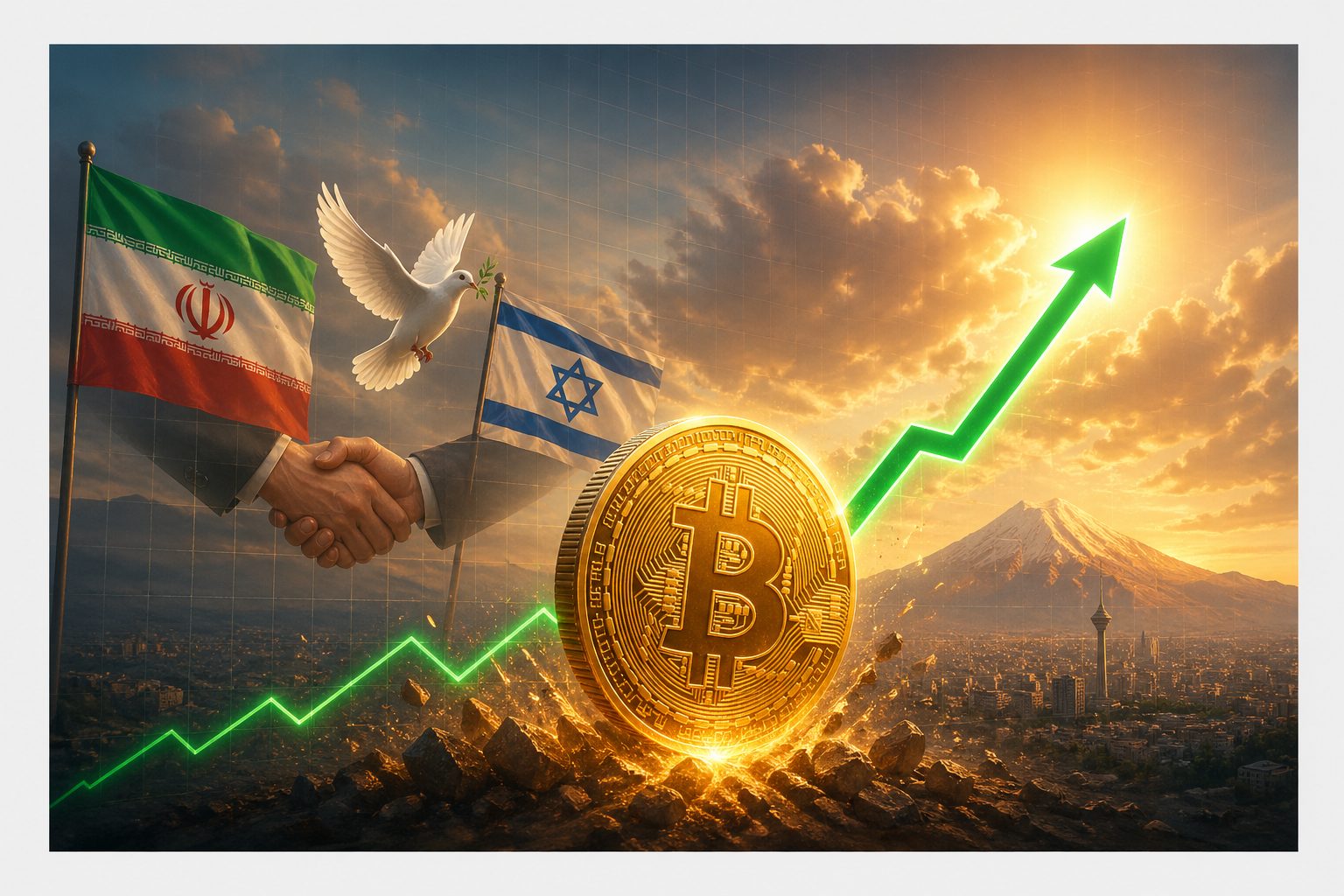
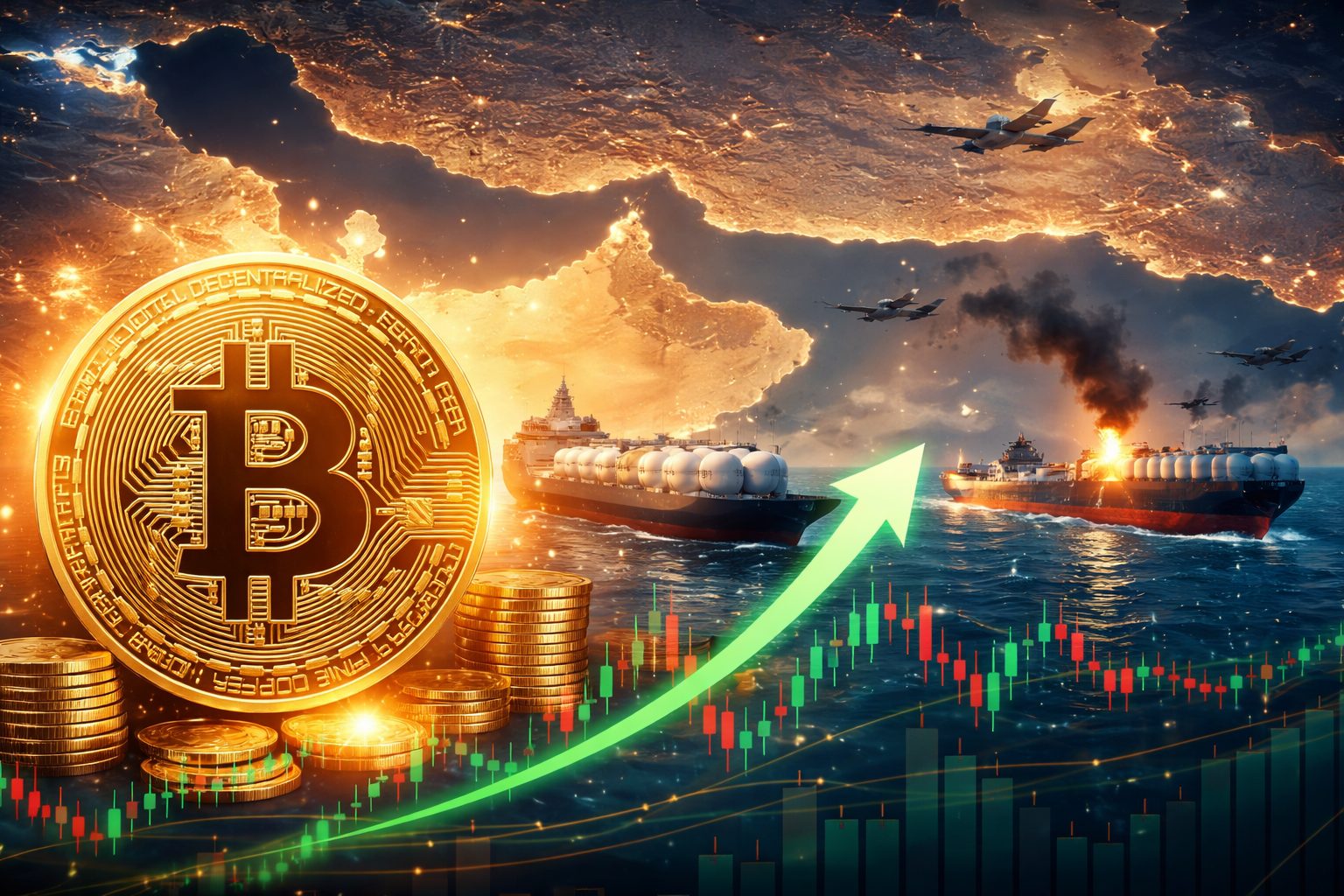
The global financial system experienced a significant shift as Bitcoin surged following a major geopolitical development involving the reopening of the Strait of Hormuz. This critical maritime route, essential for global energy transportation, had been at the center of rising tensions due to conflict in the Middle East. When Iran announced that the strait was fully open again to commercial shipping, it triggered a wave of optimism across global markets. Investors quickly responded to the reduced risk of supply disruption, and this renewed confidence extended beyond traditional markets into cryptocurrencies. Bitcoin, widely regarded as a barometer of market sentiment in the digital asset space, rose sharply as a result.
Geopolitical Relief Drives Market Confidence
The reopening of the Strait of Hormuz followed signs of a ceasefire linked to regional tensions involving Lebanon and surrounding areas. This development significantly reduced fears of prolonged instability in one of the world’s most strategically important regions. The strait is responsible for carrying a large portion of global oil shipments, and any disruption there has immediate consequences for energy prices and economic stability worldwide.
During the height of the conflict, markets were shaken by uncertainty. Oil prices surged, inflation fears intensified, and investors became increasingly cautious. However, the announcement that shipping routes were safe once again changed the narrative almost instantly. Oil prices dropped as supply concerns eased, and global stock markets rallied. Major indices in the United States and Europe posted gains, reflecting renewed optimism about economic stability and growth.
This broader improvement in sentiment created favorable conditions for risk assets, including cryptocurrencies. Bitcoin, which often reacts to global economic trends, became one of the key beneficiaries of this shift.
Bitcoin Climbs On Renewed Optimism
Bitcoin recorded a strong upward move following the announcement, rising to levels not seen in months. The cryptocurrency gained momentum as investors returned to the market, encouraged by improving global conditions and reduced geopolitical risk. The rally marked a clear break from the cautious trading patterns observed in previous weeks.
Before this development, Bitcoin had been moving within a relatively tight range, reflecting uncertainty among investors. Concerns about geopolitical tensions, regulatory pressures, and broader economic conditions had limited upward movement. The reopening of the Strait of Hormuz served as a catalyst, pushing Bitcoin out of this consolidation phase and into a more bullish trajectory.
This surge also highlighted how closely Bitcoin is now tied to global financial trends. While it was once viewed primarily as an independent or alternative asset, it increasingly behaves like other risk assets, responding to changes in investor sentiment and macroeconomic conditions.
Falling Oil Prices And Economic Impact
One of the most immediate effects of the Strait of Hormuz reopening was a sharp decline in oil prices. During the crisis, fears of disrupted supply had driven prices higher, contributing to inflation and economic strain in many countries. The return to normal shipping conditions reduced these concerns, leading to a drop in energy costs.
Lower oil prices have wide ranging implications for the global economy. They reduce production and transportation costs, ease inflationary pressures, and support consumer spending. For financial markets, this creates a more stable and predictable environment, encouraging investment in growth oriented assets.
Bitcoin, like many other high risk investments, benefits from such conditions. As inflation concerns ease and economic outlook improves, investors are more willing to allocate funds to assets with higher potential returns. This dynamic played a significant role in the cryptocurrency’s recent rise.
Understanding The Strait Of Hormuz Crisis
To appreciate the significance of this development, it is important to understand the context of the Strait of Hormuz crisis. Earlier in the year, escalating tensions in the Middle East led to the effective closure of the strait. Military activity and security concerns forced shipping companies to halt operations, resulting in a dramatic reduction in global oil supply.
This disruption had far reaching consequences. Energy prices surged, global trade slowed, and financial markets became increasingly volatile. Investors sought safer assets, and riskier investments such as cryptocurrencies faced downward pressure.
The reopening of the strait represents a turning point in this situation. It signals a move toward de-escalation and a potential return to stability. This shift not only improves economic conditions but also restores confidence among investors, which is critical for market growth.
Bitcoin And Global Financial Integration
Bitcoin’s response to the Strait of Hormuz announcement highlights its evolving role in the global financial system. In its early years, Bitcoin was often seen as a hedge against traditional financial instability. However, as the market has matured, its behavior has changed.
Today, Bitcoin is increasingly influenced by the same factors that affect stocks, commodities, and other financial assets. It reacts to interest rates, inflation, geopolitical events, and investor sentiment. This integration into the broader financial ecosystem has both advantages and disadvantages.
On one hand, it brings greater legitimacy and attracts institutional investors. On the other hand, it means that Bitcoin is no longer insulated from global economic fluctuations. Its performance is now closely tied to the overall health of financial markets.
The recent rally is a clear example of this trend. As global markets surged in response to positive geopolitical news, Bitcoin followed the same trajectory, reinforcing its status as a mainstream financial asset.
Institutional Influence On The Market
Another important factor behind Bitcoin’s rise is the growing role of institutional investors. Large financial institutions, hedge funds, and asset managers have become increasingly active in the cryptocurrency market. Their investment decisions are often driven by macroeconomic trends and global developments.
The easing of geopolitical tensions and the reopening of a key trade route likely encouraged these institutions to increase their exposure to cryptocurrencies. This influx of capital can significantly impact prices, amplifying upward movements during periods of positive sentiment.
Institutional involvement also contributes to the alignment of Bitcoin with traditional markets. As more professional investors enter the space, the cryptocurrency market becomes more interconnected with global financial systems.
Risks That Could Reverse The Trend
Despite the current optimism, it is important to recognize that risks remain. The geopolitical situation in the Middle East is complex, and the ceasefire that led to the reopening of the Strait of Hormuz may not guarantee long term stability. Any renewed tensions could quickly disrupt markets and reverse recent gains.
Oil prices, while lower than during the crisis, are still subject to fluctuations. Changes in supply conditions or geopolitical developments could lead to renewed volatility. This would have a direct impact on global markets and, by extension, on Bitcoin.
Additionally, the cryptocurrency market faces its own set of challenges. Regulatory uncertainty, technological risks, and market speculation continue to influence prices. While the recent rally is encouraging, it does not eliminate these underlying concerns.
Future Outlook For Bitcoin
Looking ahead, Bitcoin’s performance will depend on a combination of global and internal factors. Continued geopolitical stability and improving economic conditions could support further growth. If investor confidence remains strong, Bitcoin may continue its upward trajectory and potentially reach new highs.
At the same time, the market’s inherent volatility means that fluctuations are inevitable. Investors should be prepared for both opportunities and risks as the situation evolves. The growing integration of Bitcoin into the global financial system means that it will continue to respond to a wide range of influences.
In the long term, increased institutional adoption and technological development could strengthen Bitcoin’s position as a key financial asset. However, its success will depend on its ability to navigate an increasingly complex and interconnected global environment.
Conclusion
The surge in Bitcoin following the reopening of the Strait of Hormuz illustrates the powerful connection between geopolitics and financial markets. A single development in a critical region can have far reaching effects, influencing everything from oil prices to investor sentiment and asset valuations.
Bitcoin’s strong performance reflects the renewed confidence that has spread across global markets. It also highlights the cryptocurrency’s evolving role as an integral part of the financial system rather than a separate or isolated asset.
While the current outlook is positive, uncertainties remain. The future of Bitcoin will continue to be shaped by global events, economic conditions, and market dynamics. As such, it remains both an opportunity and a risk in the ever changing world of finance.