Introduction
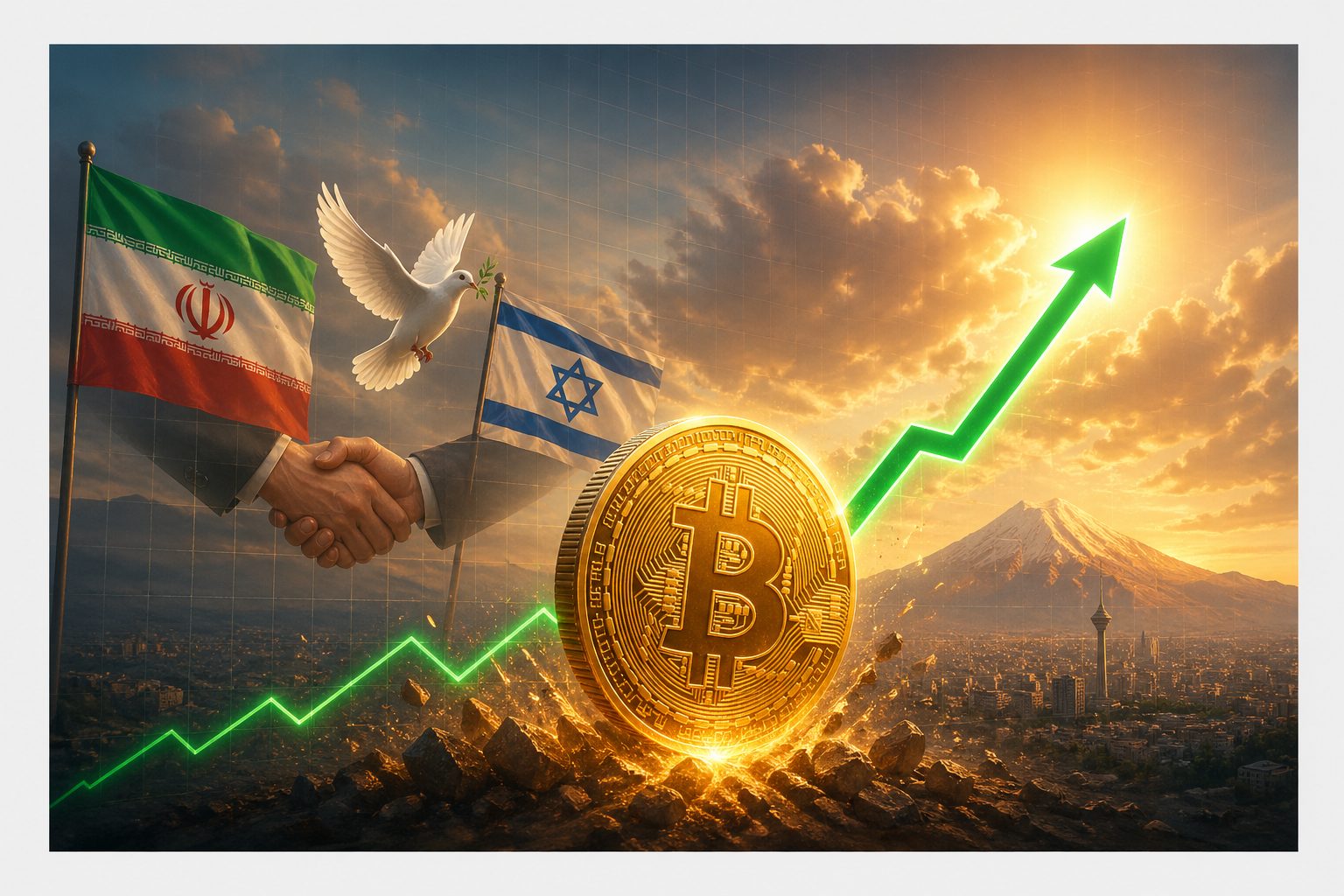
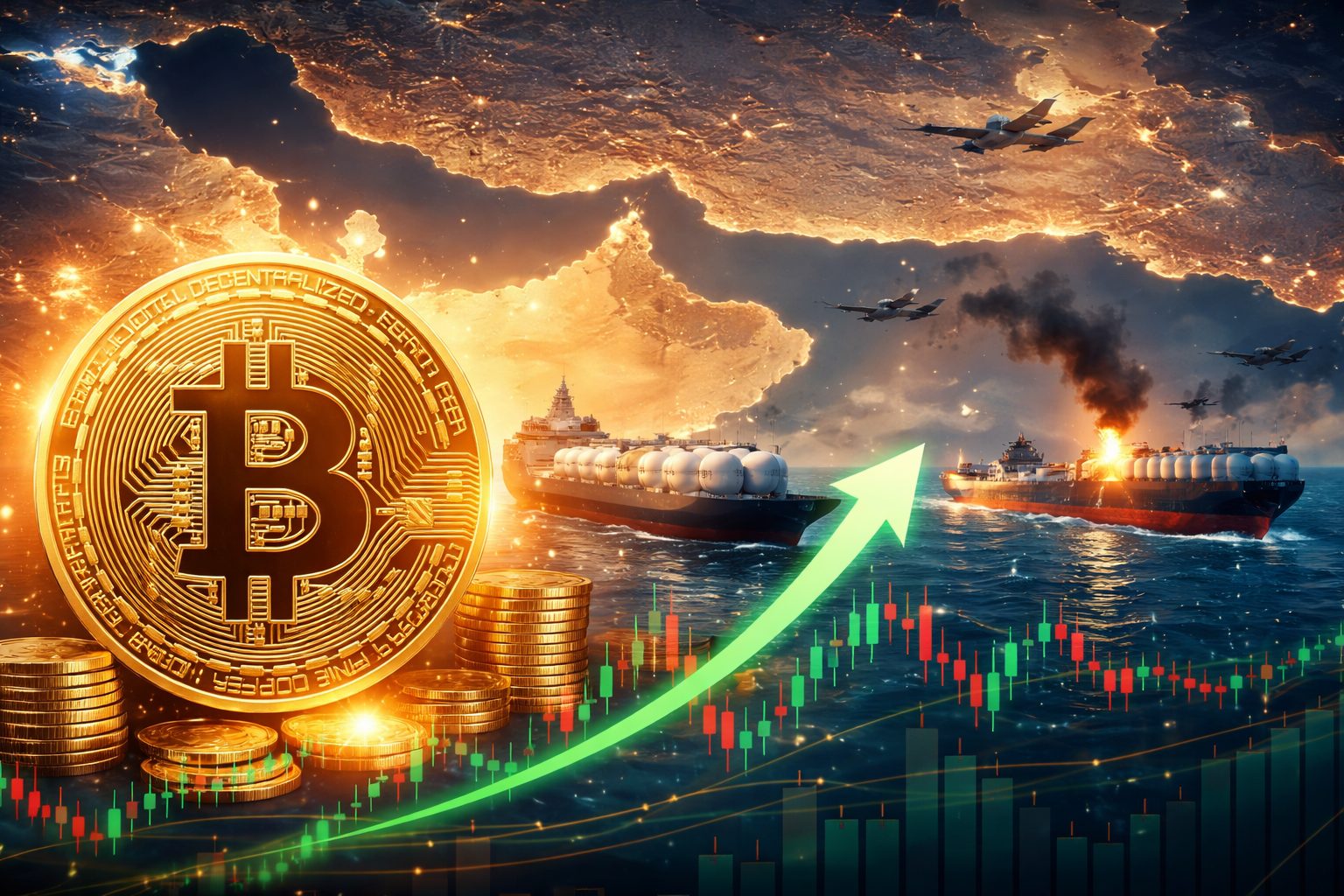
The global cryptocurrency market is currently navigating a complex and uncertain phase as Bitcoin, the world’s largest digital asset, continues to hold steady near the 67000 level despite mounting geopolitical tensions and macroeconomic challenges. This stability comes at a time when traditional financial markets are experiencing heightened volatility due to inflation concerns, global conflicts, and shifting monetary policies. Bitcoin’s ability to maintain its position within this range reflects not only resilience but also a structural evolution in how the asset behaves within the broader financial ecosystem.
Market Stability In A Volatile Global Environment
Bitcoin’s current price stability is particularly significant given the broader economic environment. Global markets are facing multiple challenges, including geopolitical conflicts, rising oil prices, and concerns over supply chain disruptions. These factors typically lead to increased volatility in risk assets, yet Bitcoin has managed to avoid sharp declines.
This stability suggests that investors are not rushing to exit their positions despite uncertainty. Instead, there appears to be a sense of cautious optimism in the market. While traders remain alert to potential risks, they are also recognizing the long term value proposition of Bitcoin. As a result, the market is experiencing a period of consolidation where prices move within a relatively narrow range rather than trending sharply in one direction.
Role Of Long Term Holders In Supporting Prices
One of the key factors contributing to Bitcoin’s resilience is the growing influence of long term holders. These investors tend to accumulate Bitcoin and hold it for extended periods, often ignoring short term price fluctuations. Their behavior plays a crucial role in stabilizing the market, as it reduces the supply of Bitcoin available for trading.
Long term holders are often viewed as the backbone of the cryptocurrency market. Their confidence in Bitcoin’s future potential helps create a strong support base, preventing prices from falling significantly during periods of uncertainty. Current data indicates that accumulation is taking place, with more investors choosing to hold rather than sell.
This trend reflects a broader shift in market dynamics. Instead of being driven primarily by speculative trading, the market is increasingly influenced by investors who believe in the long term value of Bitcoin. This change is contributing to a more stable and sustainable price structure.
Influence Of Inflation And Central Bank Policies
Macroeconomic factors continue to have a significant impact on Bitcoin and the wider cryptocurrency market. Inflation remains a key concern for investors, as rising prices can erode purchasing power and influence investment decisions. Central banks, particularly in major economies, are responding to inflation by adjusting interest rates and monetary policies.
Higher interest rates typically reduce liquidity in financial markets, making riskier assets like cryptocurrencies less attractive in the short term. However, Bitcoin’s recent performance suggests that it is not entirely dependent on these factors. While macroeconomic conditions do influence market sentiment, they are not the sole drivers of price movements.
Instead, Bitcoin appears to be influenced by a combination of external economic conditions and internal market dynamics. This dual influence makes it a unique asset that does not always follow traditional financial patterns.
Geopolitical Tensions And Market Sentiment
Geopolitical tensions have become a major factor shaping investor sentiment across global markets. Conflicts between nations, trade disputes, and political instability all contribute to uncertainty, prompting investors to reassess their strategies.
In such situations, traditional safe haven assets like gold often see increased demand. Bitcoin, however, occupies a more complex position. Some investors view it as a hedge against instability, while others consider it a risk asset similar to equities.
Recent trends suggest that Bitcoin is behaving as a hybrid asset. It reacts to global events but does not always follow the same patterns as traditional investments. This unique behavior adds to its appeal but also introduces a level of unpredictability.
Consolidation Phase And Technical Structure
The current market conditions indicate that Bitcoin is in a consolidation phase. This phase is characterized by relatively stable prices and reduced volatility compared to previous periods. During consolidation, the market typically builds a foundation for its next major move.
Bitcoin has been trading within a defined range, with support levels providing a safety net and resistance levels limiting upward movement. This range bound behavior suggests that the market is waiting for a clear catalyst to determine its next direction.
Such catalysts could include changes in economic policy, developments in global conflicts, or significant advancements in cryptocurrency technology. Until such events occur, the market is likely to remain in this consolidation phase.
Institutional Participation And Market Evolution
Institutional investors continue to play an important role in the cryptocurrency market. Their involvement brings increased liquidity and credibility, but it also changes how the market behaves. Institutions tend to adopt a long term perspective and base their decisions on comprehensive analysis rather than short term trends.
This approach contributes to greater stability in the market. While it may reduce the likelihood of sudden price spikes, it also helps prevent sharp declines. The presence of institutional investors is one of the reasons why Bitcoin is showing resilience despite challenging conditions.
At the same time, retail participation appears to be more cautious. Many individual investors are taking a wait and see approach, contributing to lower trading volumes and reduced volatility.
Short Term Risks And Uncertainties
Despite the current stability, the cryptocurrency market is not without risks. Several factors could influence Bitcoin’s price in the near term. Escalation of geopolitical conflicts remains a major concern, as it could lead to increased volatility across all markets.
Changes in central bank policies, particularly interest rate decisions, could also impact investor sentiment. Additionally, fluctuations in global liquidity and reactions to economic data releases may create short term price movements.
Technical factors such as derivatives expiries and trading activity can further contribute to volatility. These elements can cause sudden price changes even in otherwise stable market conditions.
Long Term Outlook And Growth Potential
Looking ahead, the long term outlook for Bitcoin remains positive. The continued adoption of digital assets, increasing institutional interest, and ongoing technological advancements all support its growth potential.
The behavior of long term holders is particularly encouraging, as it indicates sustained confidence in Bitcoin’s value. This confidence is essential for maintaining stability and driving future growth.
Bitcoin’s limited supply is another key factor supporting its long term prospects. As demand continues to increase over time, this scarcity could lead to higher prices, especially if macroeconomic conditions become more favorable.
Conclusion
Bitcoin’s ability to hold near the 67000 level amid geopolitical tensions and economic uncertainty highlights its growing maturity as an asset class. While challenges remain, the market is showing signs of stability driven by strong long term demand and increasing institutional participation. The current consolidation phase should be viewed as a period of preparation rather than stagnation. It reflects a market that is adjusting to new realities and building a foundation for future growth.
As global conditions continue to evolve, Bitcoin is likely to remain a key player in the financial landscape. Its performance in the coming months will depend on a combination of macroeconomic trends, geopolitical developments, and investor sentiment. For now, its stability offers a sense of confidence in an otherwise uncertain world.