Introduction
The global economy is once again navigating a period of heightened uncertainty as geopolitical tensions in the Middle East continue to influence financial markets, energy prices, and regulatory decision making. The announcement of a ceasefire between major powers initially brought a sense of relief to global markets, yet that optimism proved short lived. Concerns over the fragility of the agreement quickly resurfaced, triggering volatility across oil markets and equity indices worldwide.
The situation highlights how deeply interconnected geopolitics and economic systems have become. Even the suggestion of instability in a key oil producing region can have immediate ripple effects across continents. Governments, investors, and regulatory bodies are closely monitoring developments, knowing that any escalation could significantly disrupt global trade and economic stability.
Rising Oil Prices And Energy Market Instability
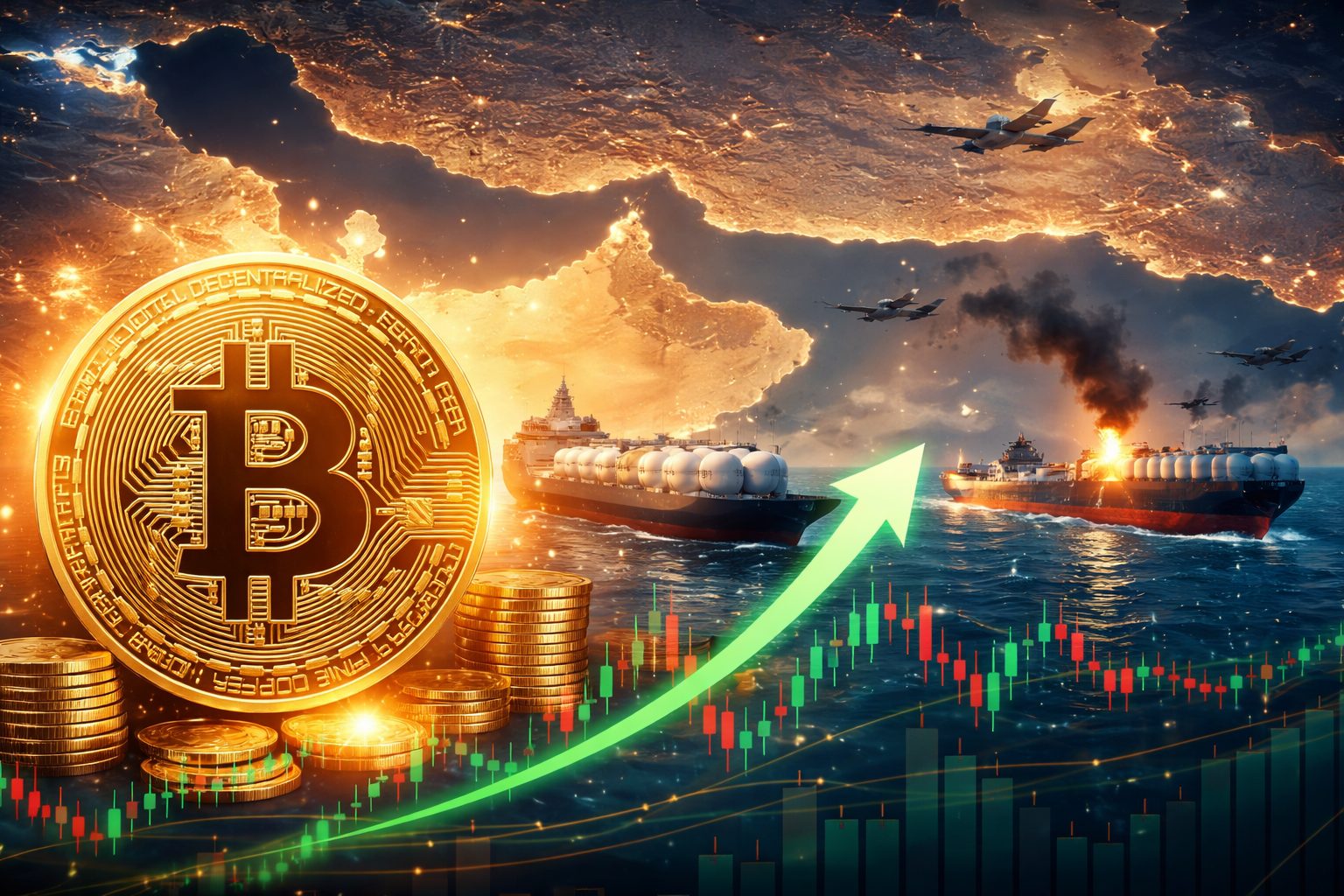
One of the most visible impacts of the fragile ceasefire has been the sharp rise in oil prices. Markets reacted swiftly to the possibility that supply routes could be disrupted, particularly in strategic maritime corridors that are essential for global energy transportation. Oil traders began pricing in risk, pushing crude prices upward despite the presence of a formal agreement intended to reduce conflict.
This reaction reflects a fundamental characteristic of energy markets where uncertainty often drives price movements more strongly than actual supply shortages. Even without a complete shutdown of exports, the fear of disruption is enough to create a premium in pricing. As a result, both Brent and other crude benchmarks experienced upward momentum, signaling the nervousness of global markets.
The volatility has also extended to related energy sectors including natural gas and refined fuels. Countries that depend heavily on imports are facing immediate cost pressures, while energy exporters are experiencing temporary gains that may not be sustainable if the situation escalates further.
Stock Market Reactions And Investor Sentiment
Global stock markets have mirrored the uncertainty seen in oil prices. Initial optimism following the ceasefire announcement led to brief rallies, but these gains were quickly reversed as doubts about long term stability emerged. Investors are increasingly cautious, shifting capital toward safer assets while reducing exposure to sectors that are vulnerable to rising energy costs.
Industries such as aviation, logistics, and manufacturing are particularly sensitive to fuel price increases. As operational costs rise, profit margins shrink, leading to downward pressure on stock valuations. At the same time, energy companies have seen gains, benefiting from higher commodity prices. This divergence has created uneven performance across markets, reflecting the broader economic imbalance caused by the crisis.
Investor sentiment remains fragile, driven largely by news updates and geopolitical developments. Markets are reacting not just to actual events but also to perceived risks, making volatility a defining feature of the current environment.
Regulatory Responses And Policy Implications
Governments and regulatory authorities are actively responding to the evolving situation, attempting to balance economic stability with long term policy goals. One of the central challenges is managing the impact of rising fuel prices on consumers and businesses without distorting market mechanisms.
Some governments are considering targeted financial support measures to cushion the impact on vulnerable populations. However, there is caution against implementing broad fuel subsidies, as these can lead to inefficiencies and increased global demand, further driving up prices. Policymakers are instead exploring more precise interventions that provide relief without undermining sustainability objectives.
Central banks are also facing complex decisions. Rising energy costs contribute to inflation, which may require tighter monetary policies. At the same time, aggressive rate hikes could slow economic growth, creating a delicate balancing act. Regulatory bodies are closely monitoring financial markets to ensure stability and prevent systemic risks.
Strategic Importance Of Key Trade Routes
The crisis has underscored the critical role of key maritime routes in global trade, particularly those that facilitate the movement of energy resources. Any disruption in these corridors can have immediate and far reaching consequences, affecting not only oil supplies but also broader supply chains.
Shipping delays, increased insurance costs, and logistical challenges have added to the complexity of the situation. Even partial restrictions can create bottlenecks, leading to higher transportation costs and longer delivery times. This, in turn, contributes to inflationary pressures across multiple sectors of the economy.
The reliance on a limited number of strategic routes has become a significant vulnerability. The current situation has prompted renewed discussions about the need for diversification and investment in alternative infrastructure to reduce dependence on high risk.
Economic Consequences Across Regions
The impact of rising energy prices is being felt unevenly across the world. Oil importing countries are facing significant economic strain as their import bills increase, placing pressure on national budgets and currency stability. For developing economies, the situation is particularly challenging, as higher fuel costs translate into increased prices for essential goods and services.
In contrast, oil exporting nations may experience short term financial gains due to higher prices. However, these benefits are often offset by broader market instability and geopolitical risks. The overall global remains vulnerable, with growth prospects being revised downward in response to ongoing uncertainty.
Inflation has become a major concern in many regions, driven in part by rising energy costs. As fuel prices increase, transportation and production expenses rise, leading to higher prices for consumers. This creates a ripple effect that can slow economic activity and reduce purchasing power.
Inflation And Global Economic Outlook
The surge in oil prices has significant implications for global inflation and economic growth. Energy is a fundamental input for nearly all industries, meaning that increases in fuel costs quickly spread throughout the economy. From manufacturing to agriculture, higher energy prices translate into higher production costs.
Economists are warning about the possibility of stagflation, a scenario characterized by slow economic growth combined with high inflation. This is particularly concerning because it limits the effectiveness of traditional policy tools. Efforts to control inflation may further slow growth, while measures to stimulate the economy could exacerbate price increases.
Global financial institutions are closely monitoring the situation, with many revising their economic forecasts to account for the ongoing .
Energy Security And Long Term Strategic Shifts
The current crisis has reignited debates on energy security and the need for long term strategic planning. Many countries are reassessing their dependence on exploring ways to diversify their energy sources. This includes increased investment in renewable energy, domestic production, and alternative supply routes.
The push toward cleaner energy sources has gained additional momentum as governments seek to reduce exposure to geopolitical risks. However, the transition to renewables is a complex and time consuming process that requires significant investment and infrastructure development. In the short term, fossil fuels will continue to play a dominant role in meeting global energy demand.
At the same time, there is growing recognition of the need for international cooperation to ensure stable and secure energy supplies. Collaborative efforts may help mitigate risks and create more resilient systems capable of withstanding future disruptions.
Human Impact And Workforce Challenges
Beyond economic and regulatory considerations, the crisis has also had a profound impact on workers in the energy and transportation sectors. Shipping crews and oil tanker workers are particularly affected, as they operate in areas that may be directly impacted by geopolitical tensions. The psychological and physical strain on these workers highlights the human cost of global conflicts, which often goes unnoticed in broader economic analyses.
Ensuring the safety and well being of workers is becoming an increasingly important aspect of regulatory oversight. Governments and organizations are being urged to implement stronger protections and support systems for those operating in critical industries.
Market Outlook And Future Scenarios
Looking ahead, the direction of global markets will depend largely on the stability of the ceasefire and the progress of diplomatic efforts. If tensions ease and supply routes remain open, oil prices may stabilize, providing some relief to the global economy. However, any escalation could trigger further volatility and potentially lead to a more severe economic downturn.
Investors are likely to remain cautious, closely monitoring developments and adjusting their strategies accordingly. Diversification and risk management will be key priorities in navigating the uncertain landscape. The situation also highlights the importance of preparedness and adaptability in both public and private sectors.
Conclusion
The fragile ceasefire in the Middle East has brought into sharp focus the complex relationship between geopolitics, energy markets, and global economic stability. While the agreement offered a temporary sense, ongoing uncertainties continue to drive volatility in oil prices and financial markets.
Regulators and policymakers are facing significant challenges as they attempt to balance competing priorities, including inflation control, economic growth, and energy security.